Hospitals & Healthcare Facilities
in San Diego, CA
Welcome to our San Diego hospitals directory – your go-to resource for finding quality healthcare in America's Finest City! Whether you're a local looking for a specialist or just visiting and need medical care, we've got you covered with info on hospitals throughout San Diego County.
All Listed Facilities in San Diego
10 listingsListing directory only. We do not verify or recommend any facility. Information may not be current — verify directly with the provider.

Kaiser Permanente San Diego Medical Center
Medical CenterAdvertising listing. Not verified or endorsed by Hospitals.city.
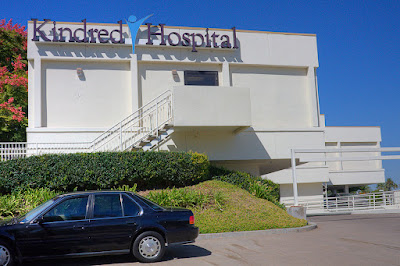
Kindred Hospital San Diego
HospitalAdvertising listing. Not verified or endorsed by Hospitals.city.

Select Specialty Hospital - San Diego
HospitalAdvertising listing. Not verified or endorsed by Hospitals.city.

Paradise Valley Hospital
General hospitalAdvertising listing. Not verified or endorsed by Hospitals.city.

Scripps Memorial Hospital La Jolla
HospitalAdvertising listing. Not verified or endorsed by Hospitals.city.

Rady Children’s Hospital - San Diego
Children's hospitalAdvertising listing. Not verified or endorsed by Hospitals.city.

Sharp Memorial Hospital
General hospitalAdvertising listing. Not verified or endorsed by Hospitals.city.

Hillcrest Medical Center at UC San Diego Health
HospitalAdvertising listing. Not verified or endorsed by Hospitals.city.

Naval Medical Center
Military hospitalAdvertising listing. Not verified or endorsed by Hospitals.city.

Scripps Mercy Hospital San Diego
General hospitalAdvertising listing. Not verified or endorsed by Hospitals.city.
About Healthcare in San Diego
San Diego County operates 47 hospitals serving 3.3 million residents—that's one hospital for every 70,213 people, slightly below California's average ratio. But here's what the numbers don't show: emergency room wait times have jumped 34% since 2019, hitting an average of 4.2 hours countywide. The hospital landscape here is dominated by three major health systems. Scripps Health runs eight facilities from La Jolla to Chula Vista, UC San Diego Health operates four hospitals including the massive Hillcrest campus, and Kaiser Permanente manages six locations. Sharp HealthCare rounds out the big players with seven hospitals, including the trauma center in Kearny Mesa that sees 85,000 ER visits annually. What makes San Diego's hospital market unique? Military healthcare demand, for starters. With 240,000+ active duty and veteran families, facilities like Naval Medical Center San Diego handle specialized cases you won't find in civilian hospitals elsewhere. Plus, our proximity to Mexico creates cross-border medical traffic—Tijuana residents with U.S. insurance often seek care here, while Americans head south for procedures costing 60-80% less. The result? A healthcare ecosystem that's more complex and internationally connected than most metro areas our size.
Hillcrest
- Area Profile: Dense urban core with 1920s-1940s apartments, condos, and historic homes near Balboa Park
- Hospital Concentration: UC San Diego Medical Center, Scripps Mercy, and Kaiser Permanente within 2 miles
- Specialty Focus: Trauma care, transplant services, LGBTQ+ healthcare programs
- Local Note: Parking nightmare—some hospitals charge $15/day, ride-share drop-off zones constantly full
La Jolla
- Area Profile: Affluent coastal community with million-dollar homes and UCSD campus proximity
- Hospital Services: Scripps La Jolla specializes in cardiac care, oncology, and cosmetic surgery
- Patient Demographics: High-income residents, medical tourists, UCSD researchers and students
- Local Note: Valet parking standard, concierge services available, helicopter pad for critical transfers
Chula Vista
- Area Profile: Fast-growing suburb with new developments, young families, large Latino population
- Hospital Access: Sharp Chula Vista Medical Center serves South Bay's 680,000+ residents
- Service Gaps: Limited specialty care—complex cases often transferred to Hillcrest or downtown
- Local Note: Bilingual staff essential, many patients travel from Tijuana for emergency care
📊 **Current Service Demand:**
- Emergency visits: Up 12% from pre-pandemic levels (2.1M annually countywide)
- Elective surgeries: Still recovering, at 94% of 2019 volume
- Mental health admissions: Increased 28% since 2020, straining capacity
📈 **Market Pressures:** The nursing shortage hit San Diego harder than most metros. We're down 3,400 RNs from optimal staffing levels, forcing hospitals to rely on expensive travel nurses earning $3,000-4,500 weekly. That's double what permanent staff makes, and it's driving up costs across the board. Wait times tell the real story. Emergency departments average 4.2 hours from arrival to discharge—that's 45 minutes longer than 2019. Scripps Mercy Chula Vista regularly hits 6+ hour waits on weekends. Non-emergency surgeries? You're looking at 6-8 weeks for most procedures, 12+ weeks for orthopedic work. 💰 **Financial Indicators:**
- Average ER visit cost: $2,847 (up 23% from 2021)
- Inpatient daily rate: $4,200-6,800 depending on facility
- Uncompensated care: $890M annually across county hospitals
- Insurance mix: 42% commercial, 31% Medicare, 18% Medi-Cal, 9% uninsured
The Border Patrol's medical contract with local hospitals is worth $34M annually—that's significant revenue for facilities treating immigration detainees. But it also means unpredictable patient surges during enforcement operations.
**Economic Indicators:** San Diego's population grew 0.8% last year to 3.3 million, driven largely by biotech expansion and military presence. Major employers like Illumina (genomics), Qualcomm (tech), and General Atomics create demand for specialized healthcare services. The biotech corridor from Sorrento Valley to UTC alone employs 65,000+ workers—many requiring occupational health services. New hospital construction reflects this growth. UC San Diego just opened a $1.2B expansion in Hillcrest, adding 364 beds and six operating rooms. Sharp is planning a $400M renovation of their Grossmont facility. Scripps broke ground on a $456M replacement hospital in Encinitas. **Housing Market Impact:** - Median home value: $925,000 (up 8.4% year-over-year) - New construction permits: 12,847 units approved in 2024 - Inventory: 1.2 months of supply (extremely tight) **Healthcare Employment:** Hospitals employ 127,000 people countywide—that's 1 in 12 workers. Average RN salary hit $108,000 in 2024, up from $89,000 in 2020. These high-paying jobs fuel housing demand, but many healthcare workers can't afford to live where they work. Sharp Memorial reports 23% of staff commute from Riverside County. The connection? Expensive housing makes nurse retention harder, which drives up labor costs, which increases healthcare prices for everyone. It's a cycle that's getting worse, not better.
**Weather Data:**
- ☀️ Summer: 72-78°F, minimal rain, consistent marine layer mornings
- ❄️ Winter: 57-68°F, occasional storms from Pacific, rare freezing
- 🌧️ Annual rainfall: 10.3 inches (mostly December-March)
- 💨 Santa Ana winds: 2-4 events yearly, gusts to 70+ mph, fire risk
**Impact on Hospital Operations:** Year-round mild weather means fewer weather-related emergencies compared to other regions. No ice storm trauma spikes, minimal heat stroke cases, rare hypothermia. But we get unique challenges—surf injuries peak June through August when swells are biggest. Lifeguard data shows 3,200+ ocean rescues annually, with 15% requiring hospital transport. Santa Ana winds create the biggest operational headaches. When humidity drops below 15% and winds hit 50+ mph, fire danger explodes. Hospitals activate emergency protocols, cancel elective surgeries, and prepare for mass casualty events. The 2003 Cedar Fire brought 900+ patients to county hospitals in 72 hours. **Seasonal Patterns:** - January-March: Flu season peaks, respiratory admissions up 40% - April-May: Allergy season strains pulmonology services - June-August: Tourist injuries, beach/boating accidents increase 60% - September-November: Fire season, air quality alerts affect cardiac/respiratory patients ✓ **Preparation Tips:** ✓ Keep emergency kits updated during fire season (October-December) ✓ Monitor air quality alerts if you have respiratory conditions ✓ Avoid ocean activities during red flag warnings ✓ Plan elective procedures outside peak flu season if possible
**License Verification:** California Department of Public Health licenses hospitals through the Health Facilities and Referral Services division. Every hospital must display their current license prominently—usually near the main entrance. You can verify any facility's license status online at CDPH.ca.gov using their OSHPD ID number. Individual healthcare workers need licenses from their respective boards. Doctors: Medical Board of California. Nurses: California Board of Registered Nursing. Physical therapists, pharmacists, technicians—each has a separate licensing authority with online lookup tools. **Accreditation Standards:** Most San Diego hospitals hold Joint Commission accreditation—the gold standard for patient safety and quality. Look for the Joint Commission seal or ask about their most recent survey results. Some facilities also carry specialty certifications (Magnet status for nursing excellence, Trauma Center verification, stroke center designation). ⚠️ **Red Flags in San Diego:**
- Fake "medical tourism" packages targeting Tijuana border crossers
- Unlicensed "wellness centers" claiming hospital-level services
- Billing scams targeting military families (they know your insurance is good)
- Emergency room "patient advocates" who are actually debt collectors
**Where to Check Complaints:** - California Department of Public Health: CDPH.ca.gov - Joint Commission: QualityCheck.org - Better Business Bureau San Diego - County of San Diego Health and Human Services complaints hotline: (619) 285-6477 Hospital quality ratings are public information. Medicare.gov publishes star ratings for most facilities, and Leapfrog Group grades hospitals A through F on safety measures.
**Essential Questions to Ask:** → What's your current ER wait time and how do you communicate delays? → Do you accept my insurance and what are typical out-of-pocket costs? → Which specialists are available on-site vs. require transfer to another facility? → How do you handle language barriers (important in San Diego's diverse population)? → What's your nurse-to-patient ratio and do you use travel nurses? → Can family members stay overnight and what are visiting restrictions? Two questions specific to San Diego: Do you coordinate care with Tijuana hospitals for cross-border patients? And how do you handle medical evacuations during wildfire emergencies when air transport may be limited? **What to Look For:**
- ✓ Joint Commission accreditation current and posted
- ✓ Bilingual staff availability (40% of county speaks Spanish at home)
- ✓ Clear pricing information and financial counseling services
- ✓ Quality ratings at or above county average
- ✓ Parking validation or affordable daily rates
**Deal Breakers:** Can't verify current licensing or accreditation. Refuses to discuss costs upfront or provide written estimates for elective procedures. No Spanish-speaking staff in a county that's 35% Latino. Pressure to sign financial agreements before treatment explanation. Any facility that asks for full payment before emergency care—that's illegal under EMTALA federal law. Look, here's what matters most: San Diego's hospitals are generally high-quality, but they're also expensive and often crowded. Do your homework before you need emergency care. Know which facilities take your insurance, understand your out-of-pocket costs, and have a plan for getting there during rush hour or wildfire evacuations.